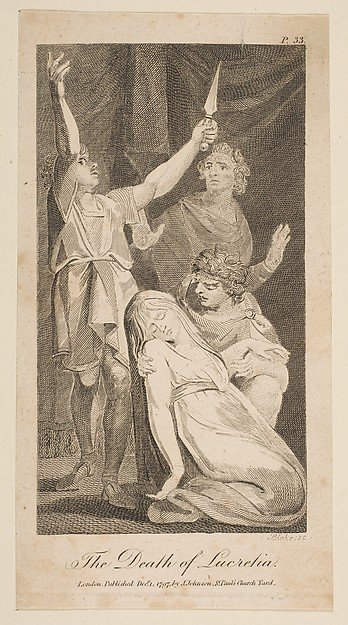
The Death of Lucretia, from Allen's "New and Impartial Roman History"
William Blake, John Johnson, Related author Charles Allen
40.52.117
About this artwork
William Blake's engraving, "The Death of Lucretia, from Allen's 'New and Impartial Roman History'" (1797), depicts a dramatic moment in the narrative of Lucretia, a figure from Roman history. The composition features several figures in an interior setting, with two men standing prominently: one raises a knife as a gesture of condemnation, while the other appears to mourn a woman who is seated and in distress. Lucretia herself, depicted in a vulnerable state, is cradled by one of the men, highlighting the tension between her tragic fate and the actions of those around her. The use of light and shadow accentuates the emotional intensity of the scene. This engraving is a part of Blake's engagement with historical and mythological themes, showcasing his skill in conveying complex narratives through printmaking.
AI-generated description based on artwork image and available museum metadata
Similar artworks
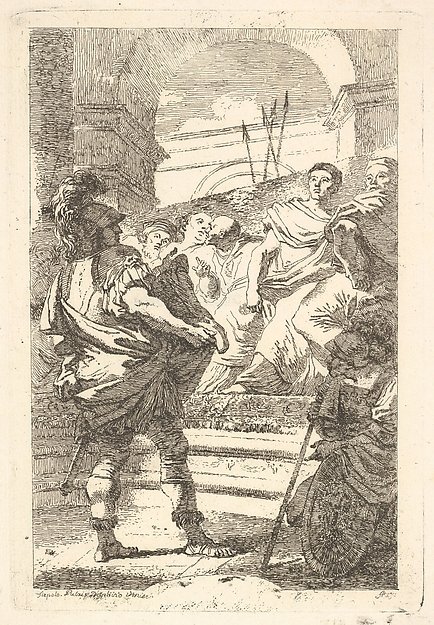
Fabius Maximus before the Senate at Carthage
Jean Honoré Fragonard, After Giovanni Battista Tiepolo
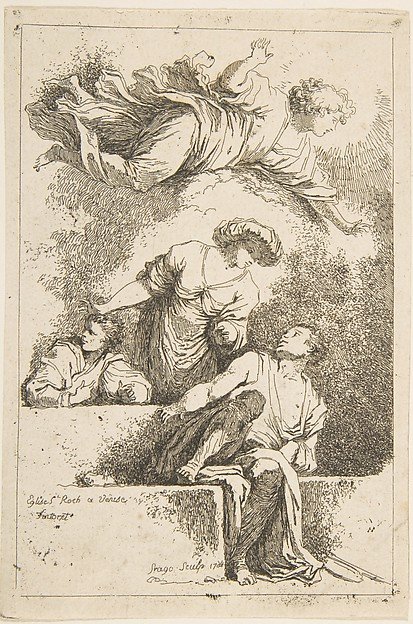
The Disciples at the Tomb
Jean Honoré Fragonard, After Jacopo Tintoretto (Jacopo Robusti)
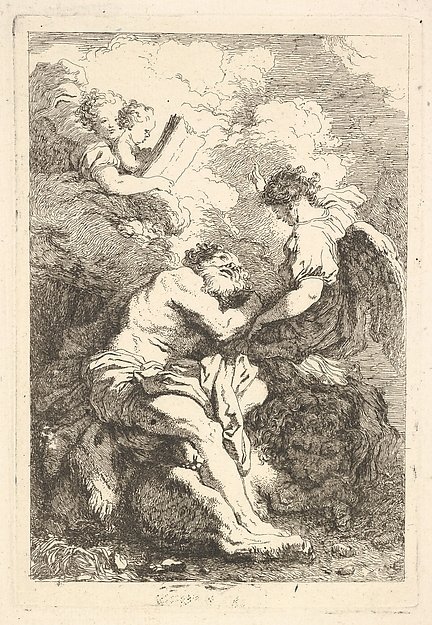
The Vision of Saint Jerome
Jean Honoré Fragonard, After Johann Liss
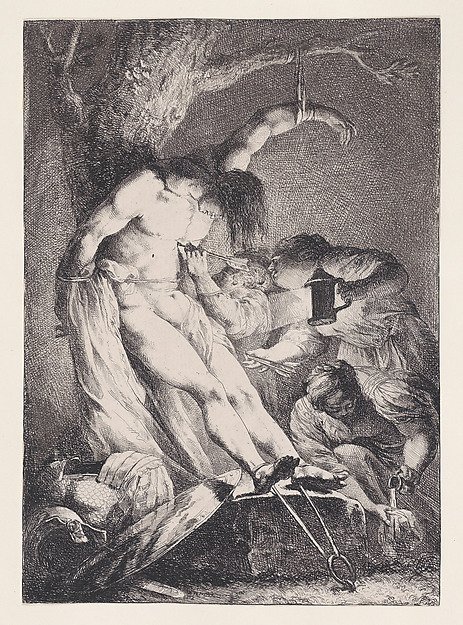
Saint Sebastian
Giovanni David
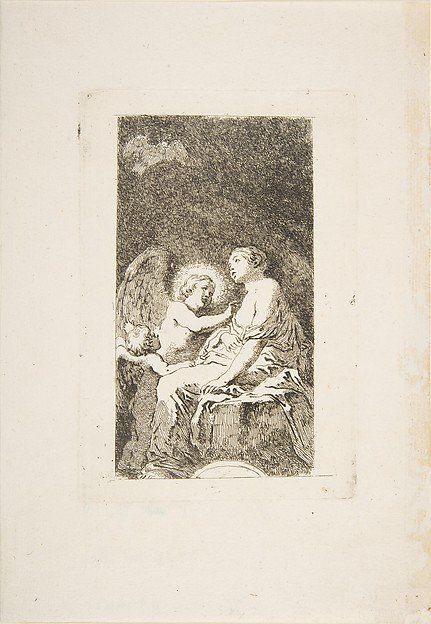
Saint Catherine of Alexandria
Jean Honoré Fragonard, After Mattia Preti (Il Cavalier Calabrese)
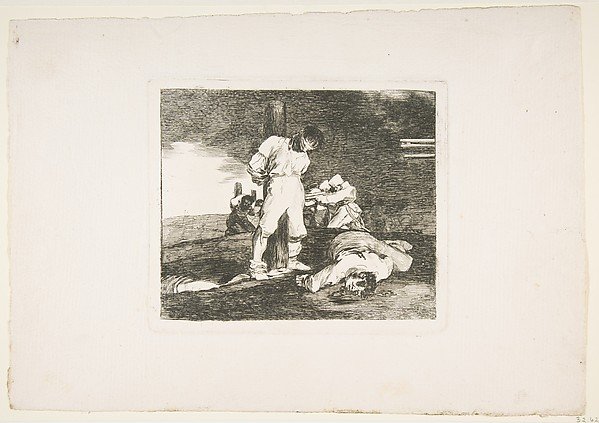
Plate 15 from "The Disasters of War" (Los Desastres de la Guerra): 'And there is no help' (Y no hai remedio)
Goya (Francisco de Goya y Lucientes)
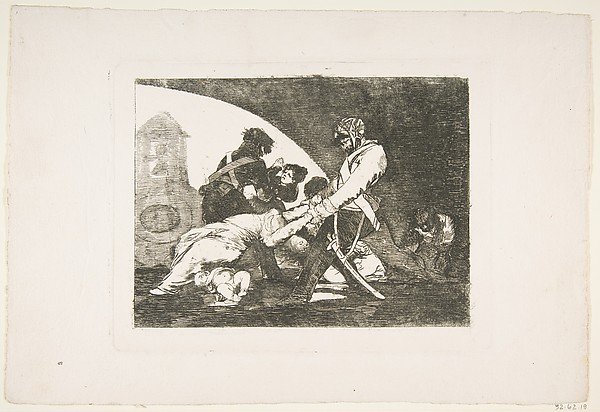
Plate 11 from "The Disasters of War" (Los Desastres de la Guerra): 'Neither do these' (Ni por esas)
Goya (Francisco de Goya y Lucientes)
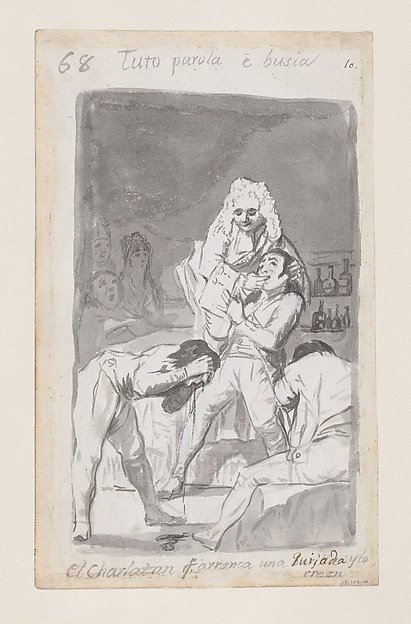
A charlatan extracting a tooth from a patient's mouth, figure in the foreground vomiting; folio 68 (verso) from the Madrid Album "B"
Goya (Francisco de Goya y Lucientes)
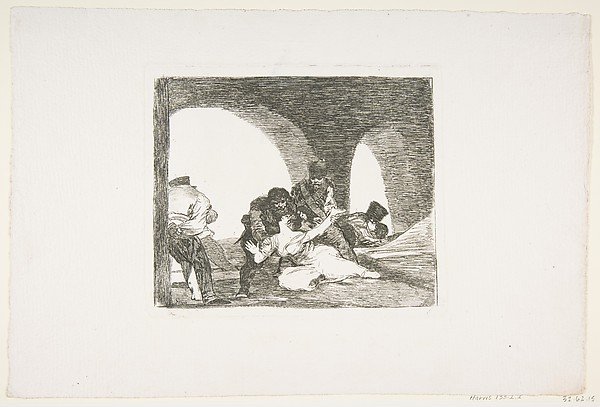
Plate 13 from "The Disasters of War" (Los Desastres de la Guerra): 'Bitter to be Present' (Amarga presencia)
Goya (Francisco de Goya y Lucientes)
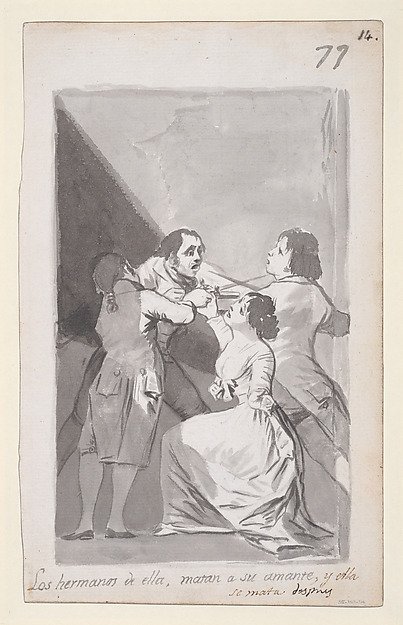
Two brothers killing their sister's lover in her presence; folio 77 (recto) from the Madrid Album "B"
Goya (Francisco de Goya y Lucientes)
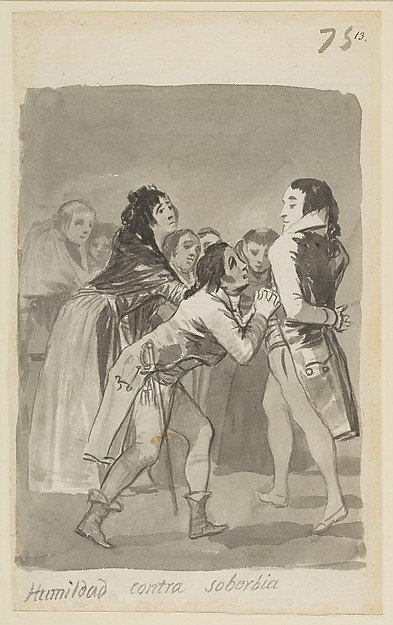
Humility versus Pride; a young man imploring an older man with other figures in front of them; folio 75 (recto) from the Madrid Album "B"
Goya (Francisco de Goya y Lucientes)
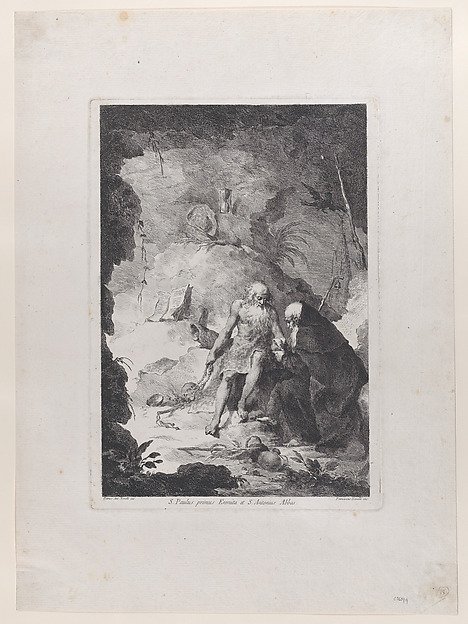
Saint Paul the Hermit and Saint Anthony Abbot conversing in a landscape, after Pietro Antonio Novelli
Francesco Novelli, After Pietro Antonio Novelli