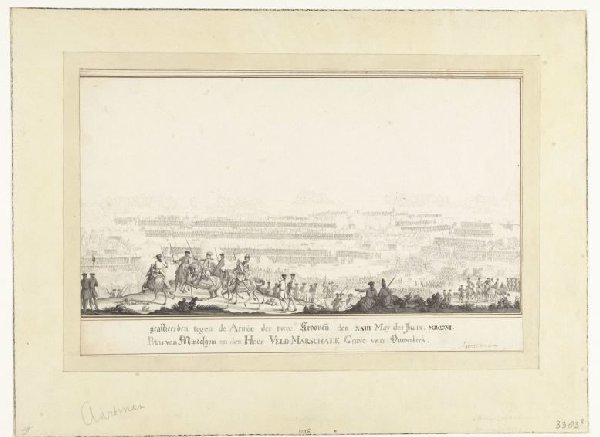
Slag bij Ramillies (rechterhelft), 1706
Unknown Artist
RP-T-00-3659B
About this artwork
Similar artworks
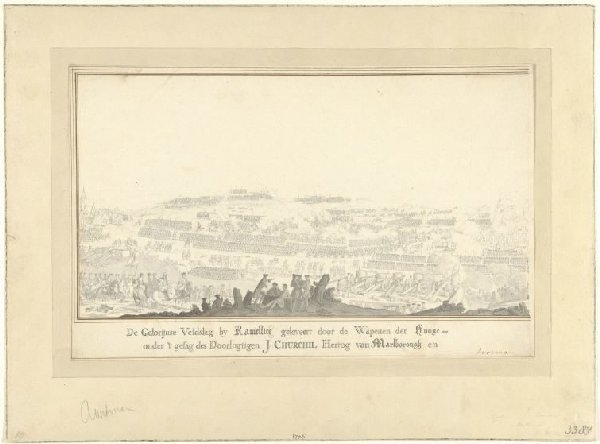
Slag bij Ramillies (linkerhelft), 1706
Unknown Artist
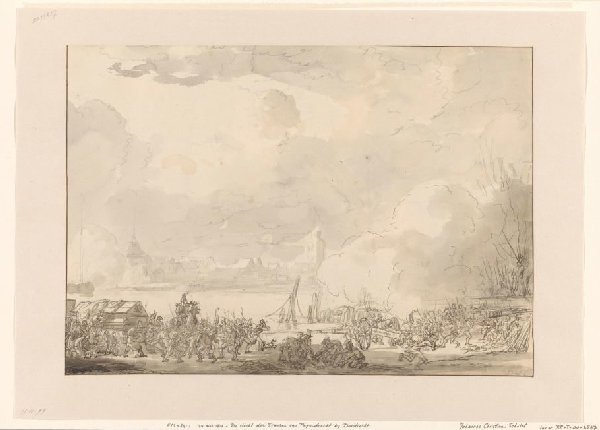
Vlucht van de Fransen van Papendrecht, 1813
Johannes Christiaan Schotel
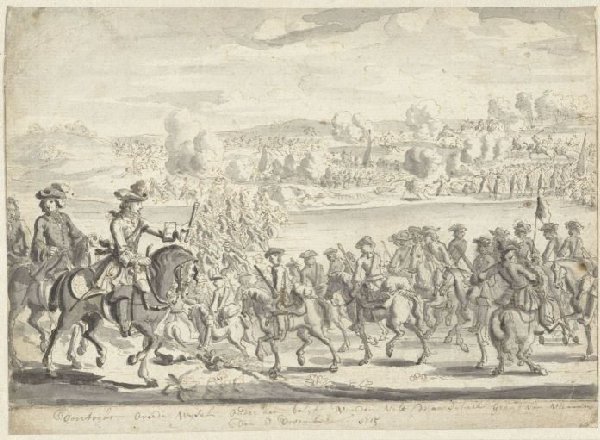
Overtocht van het Saksische leger over de Weichsel op 8 december 1715
Adolf van der Laan
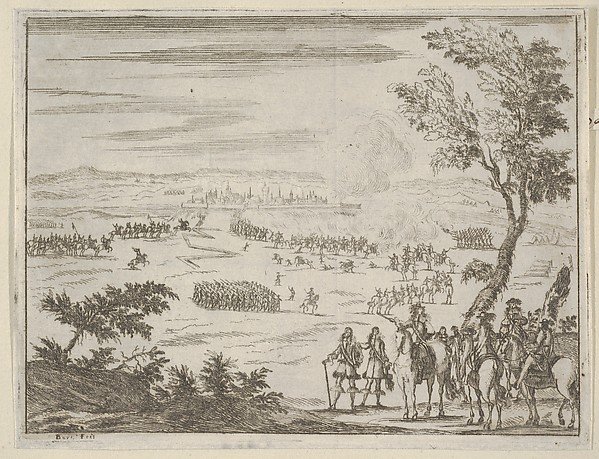
Francesco I d'Este and the French Army Besiege Valenza, which has Been Taken by the Spanish, and by Persisting with Intrepid Courage, Succeeds in the Endeavor, from "L'Idea di un Principe ed Eroe Cristiano in Francesco I d'Este, di Modena e Reggio Duca VIII [...]"
Bartolomeo Fenice (Fénis), Domenico Gamberti
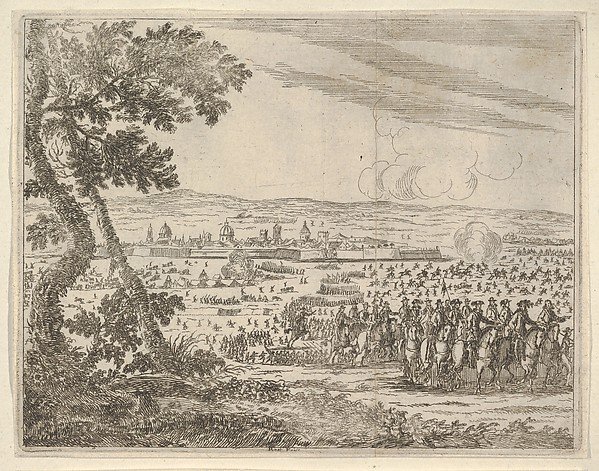
Francesco I d'Este Dissolved the Seige of Reggio, from "L'Idea di un Principe ed Eroe Cristiano in Francesco I d'Este, di Modena e Reggio Duca VIII [...]"
Bartolomeo Fenice (Fénis), Domenico Gamberti
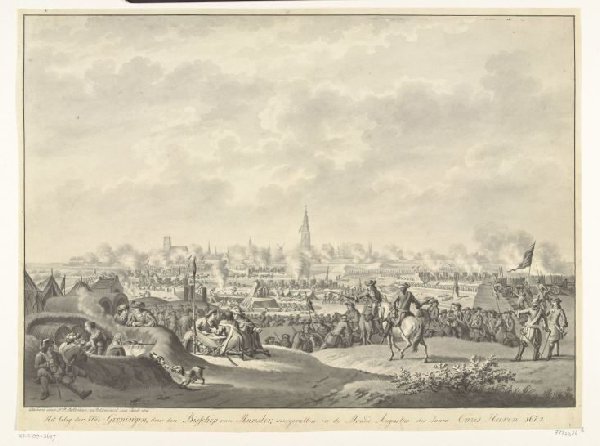
Beleg van Groningen, 1672
Haatje Pieters Oosterhuis
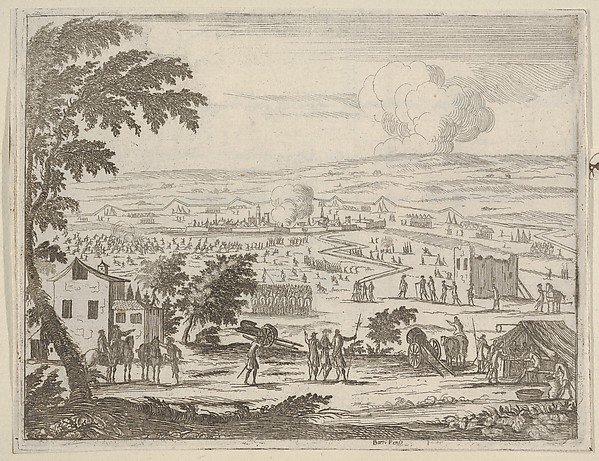
Francesco I d'Este Suffers the Mortal Blow of a Bullet While Under Pavia and Retreats into his Own Quarters, Having Been Left Without Wounds to His Head and His Heart, which Gave Him a Fever, from "L'Idea di un Principe ed Eroe Cristiano in Francesco I d'Este, di Modena e Reggio Duca VIII [...]"
Bartolomeo Fenice (Fénis), Domenico Gamberti
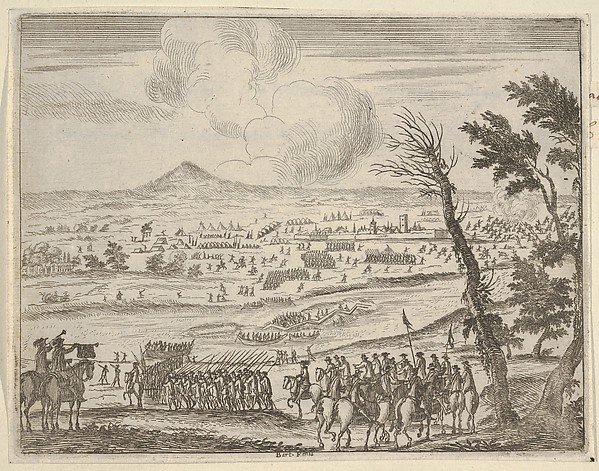
Francesco I d'Este Protects the French in Casalmaggiore from the Seige of the Spanish, from "L'Idea di un Principe ed Eroe Cristiano in Francesco I d'Este, di Modena e Reggio Duca VIII [...]"
Bartolomeo Fenice (Fénis), Domenico Gamberti
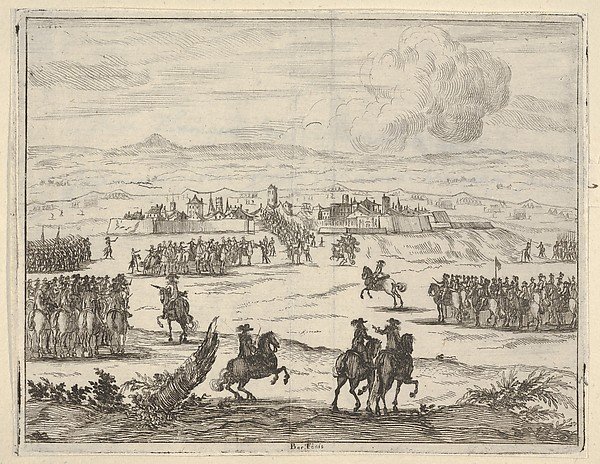
After a Long Seige, Francesco I d'Este, with the Aid of the French Army, Takes Valencia, from "L'Idea di un Principe ed Eroe Cristiano in Francesco I d'Este, di Modena e Reggio Duca VIII [...]"
Bartolomeo Fenice (Fénis), Domenico Gamberti
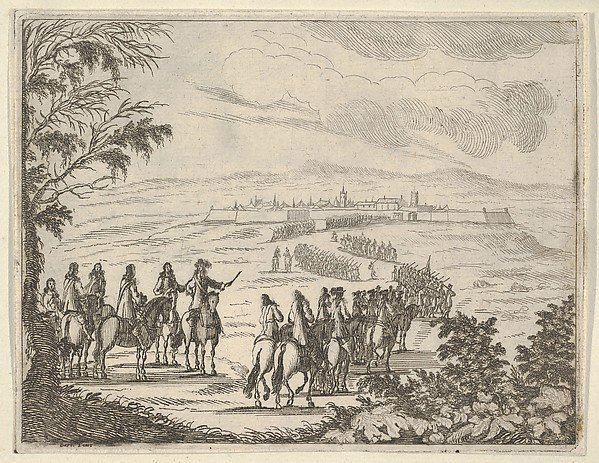
Francesco I d'Este Goes to Pinarola for the Security of his States, from "L'Idea di un Principe ed Eroe Cristiano in Francesco I d'Este, di Modena e Reggio Duca VIII [...]"
Bartolomeo Fenice (Fénis), Domenico Gamberti
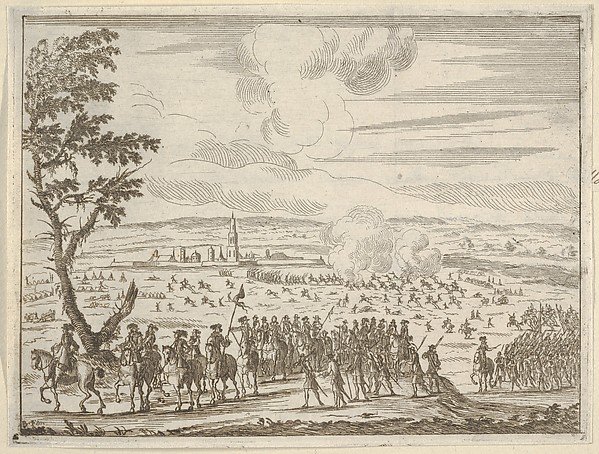
Francesco d'Este Leads the French Army After the Difficult Resolution of Cremona without Losing Men or Belongings due to the Duke's Prudence and Corageous Strength, from "L'Idea di un Principe ed Eroe Cristiano in Francesco I d'Este, di Modena e Reggio Duca VIII [...]"
Bartolomeo Fenice (Fénis), Domenico Gamberti
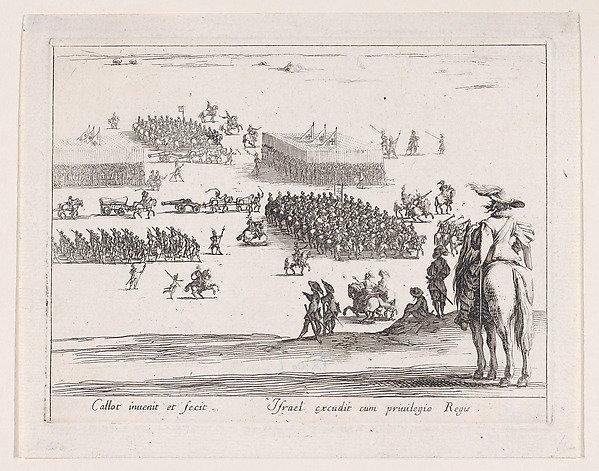
La Revue (The Review)
Jacques Callot, Israël Henriet