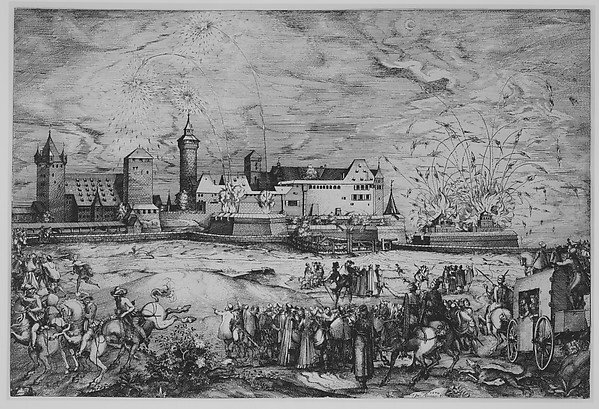
Entry of Maximilian II into Nuremberg, June 7, 1570
Jost Amman
53.600.585
About this artwork
Similar artworks
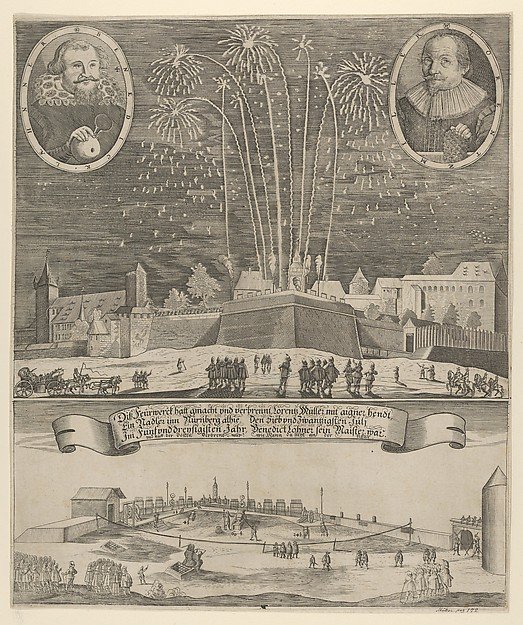
Fireworks display by Lorenz Müller as proof of mastership, Nuremberg 1635
Anonymous
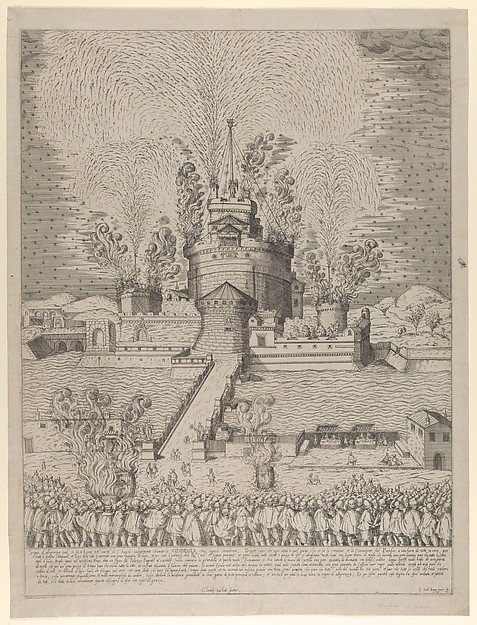
The firework display called 'Girandola' at the Castello Sant'Angelo in Rome
Giovanni Ambrogio Brambilla, Claudio Duchetti
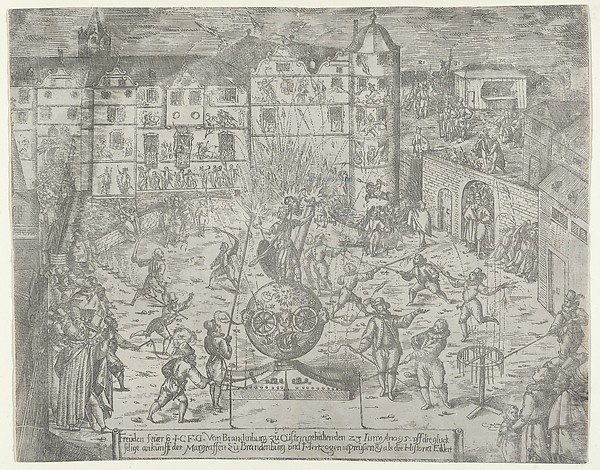
Fireworks on June 23, 1595, for the entry to Küstrin of the Margrave of Brandenburg and Duchess of Prussia
Possibly by Georg Keller, After (?) Philipp Uffenbach
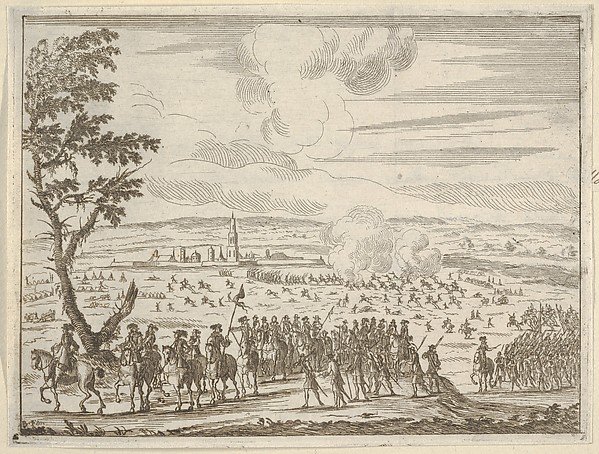
Francesco d'Este Leads the French Army After the Difficult Resolution of Cremona without Losing Men or Belongings due to the Duke's Prudence and Corageous Strength, from "L'Idea di un Principe ed Eroe Cristiano in Francesco I d'Este, di Modena e Reggio Duca VIII [...]"
Bartolomeo Fenice (Fénis), Domenico Gamberti
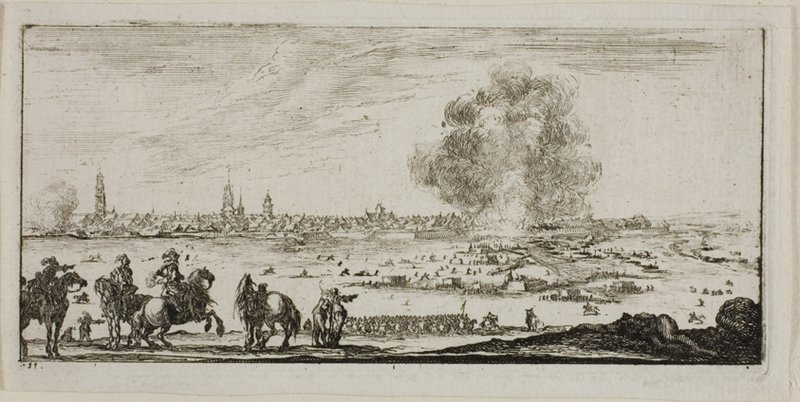
Plate Eleven from Drawings of Several Movements by Soldiers
Stefano della Bella
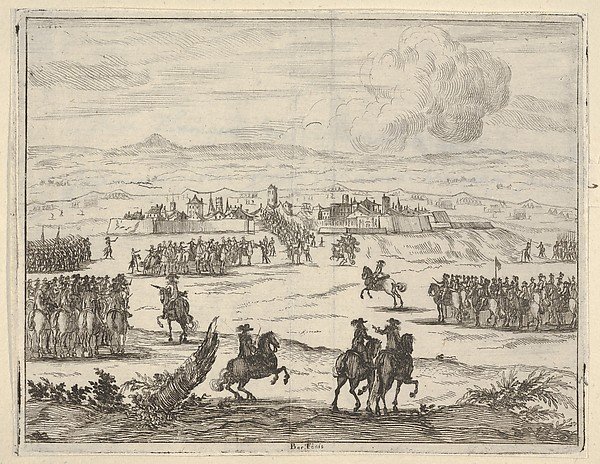
After a Long Seige, Francesco I d'Este, with the Aid of the French Army, Takes Valencia, from "L'Idea di un Principe ed Eroe Cristiano in Francesco I d'Este, di Modena e Reggio Duca VIII [...]"
Bartolomeo Fenice (Fénis), Domenico Gamberti
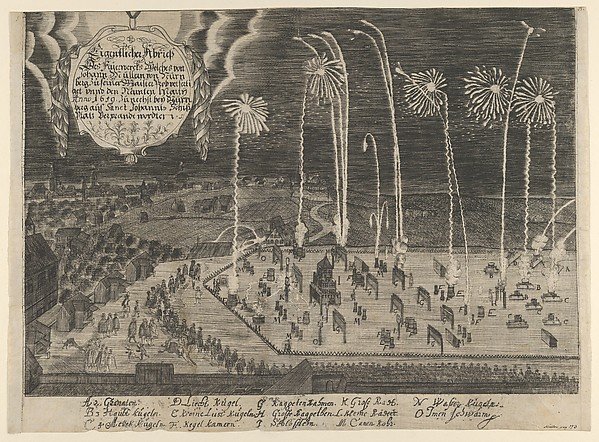
A faithful representation of the fireworks display presented by Johann Müller as proof of his Mastership, Johannis Schiessplatz, Nuremberg, 1659
Anonymous
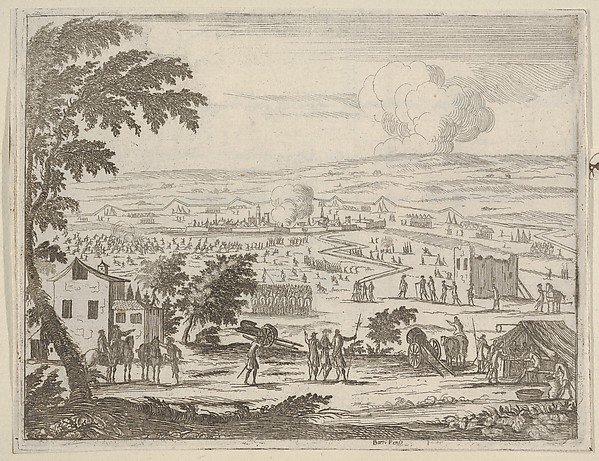
Francesco I d'Este Suffers the Mortal Blow of a Bullet While Under Pavia and Retreats into his Own Quarters, Having Been Left Without Wounds to His Head and His Heart, which Gave Him a Fever, from "L'Idea di un Principe ed Eroe Cristiano in Francesco I d'Este, di Modena e Reggio Duca VIII [...]"
Bartolomeo Fenice (Fénis), Domenico Gamberti
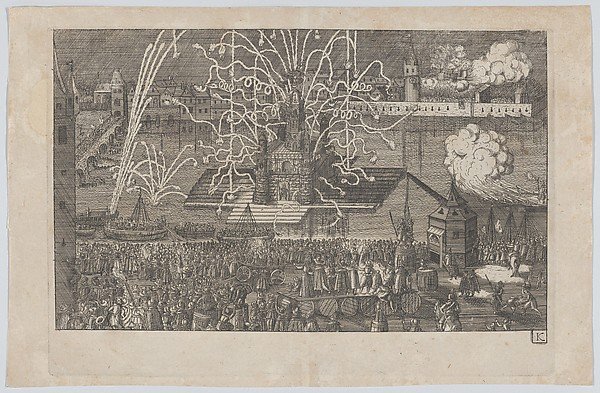
Plate K: Election and Coronation of Emperor Maximilian II
Anonymous, German, 17th century, Johann Bringern, Willhelm Hoffmans
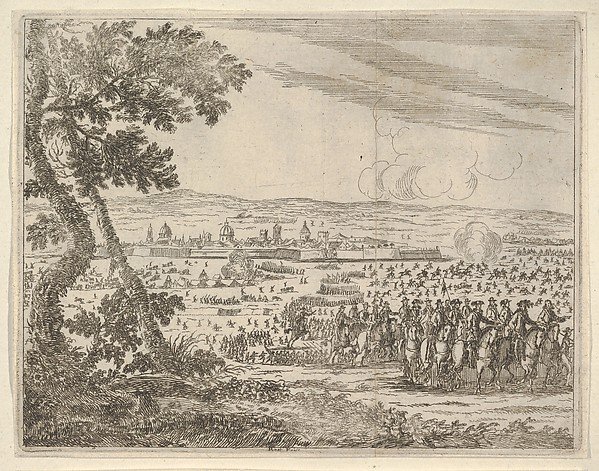
Francesco I d'Este Dissolved the Seige of Reggio, from "L'Idea di un Principe ed Eroe Cristiano in Francesco I d'Este, di Modena e Reggio Duca VIII [...]"
Bartolomeo Fenice (Fénis), Domenico Gamberti
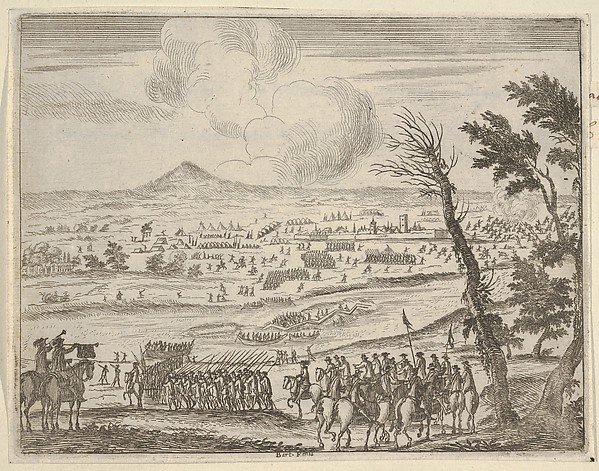
Francesco I d'Este Protects the French in Casalmaggiore from the Seige of the Spanish, from "L'Idea di un Principe ed Eroe Cristiano in Francesco I d'Este, di Modena e Reggio Duca VIII [...]"
Bartolomeo Fenice (Fénis), Domenico Gamberti
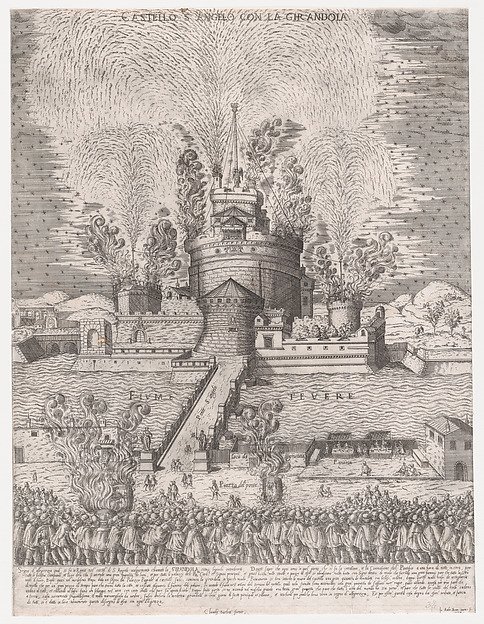
The Girandola at the Castel Sant'Angelo, Rome, from "Speculum Romanae Magnificentiae"
Giovanni Ambrogio Brambilla, Claudio Duchetti