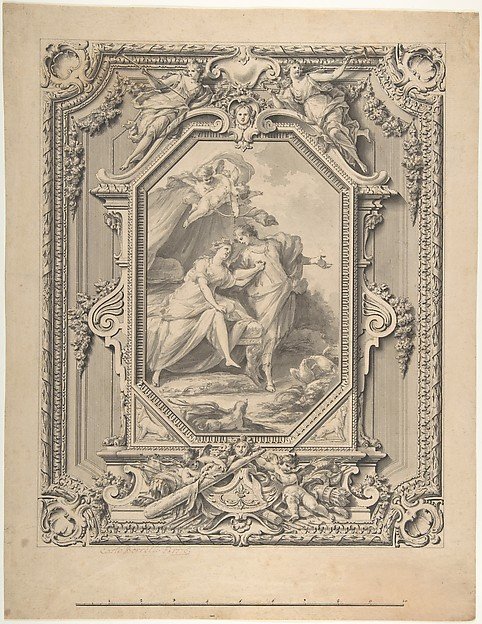
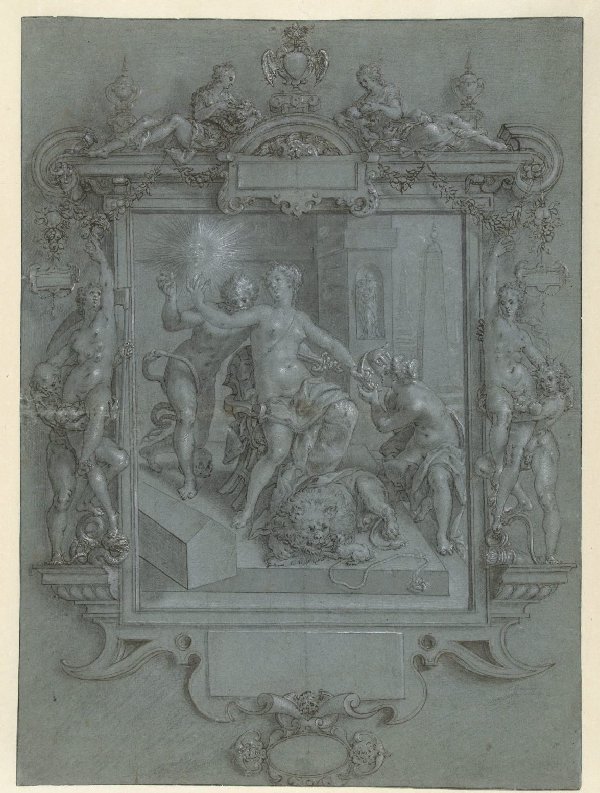
Design for a Sculptured Frame with Garlands and Statues and a Painting of Two Human Figures with Puttis inside the Frame.
Carlo Borrelli (Ponticelli)
1980.1113
About this artwork
Similar artworks
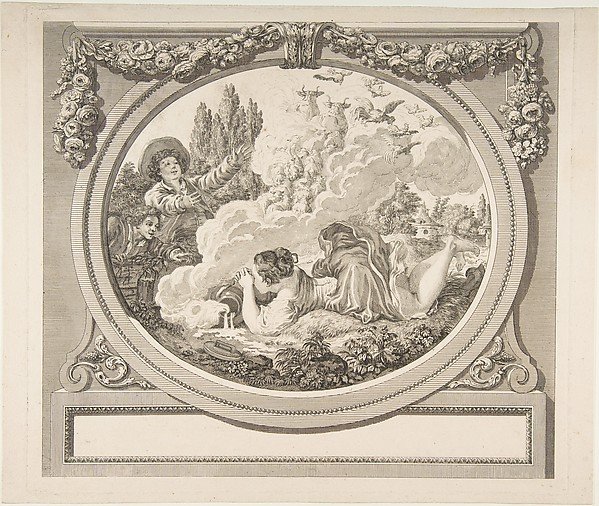
Le Pot au Lait
After Jean Honoré Fragonard, Engraved by Nicolas Ponce
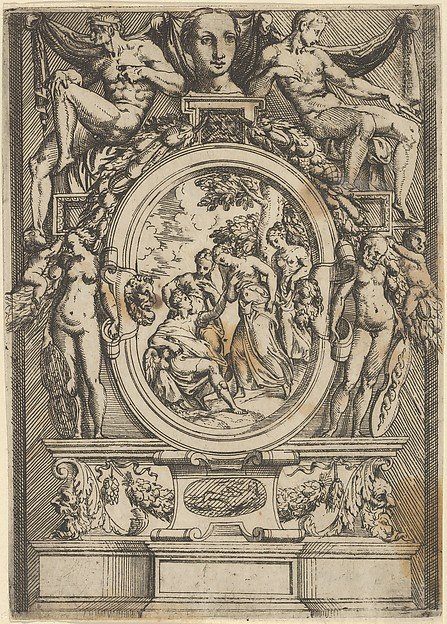
The Judgment of Paris; man seated at left reaches out to a woman who is flanked by two others, set within an elaborate frame
Battista Angolo del Moro, Formerly attributed to Andrea Schiavone (Andrea Meldola), After Jacques Androuet Du Cerceau
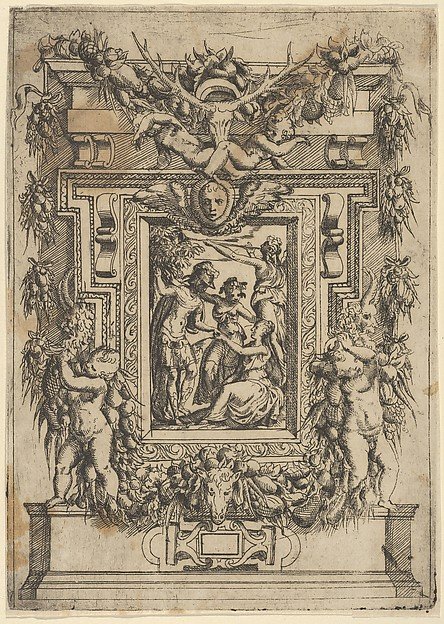
A young man offers his hand to a seated woman, another woman stands between them and a third blows a trumpet behind them, set within an elaborate frame
Battista Angolo del Moro, Formerly attributed to Andrea Schiavone (Andrea Meldola), After Jacques Androuet Du Cerceau
De spiegel der deugd
Cornelis Ketel
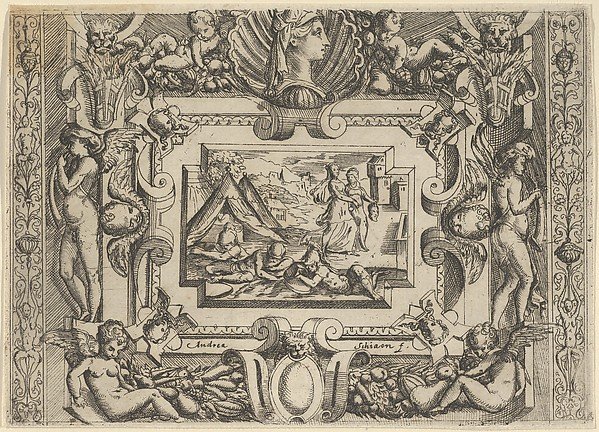
Judith and maidservant with the head of Holofernes, set within an elaborate frame
Battista Angolo del Moro, Formerly attributed to Andrea Schiavone (Andrea Meldola), After Jacques Androuet Du Cerceau
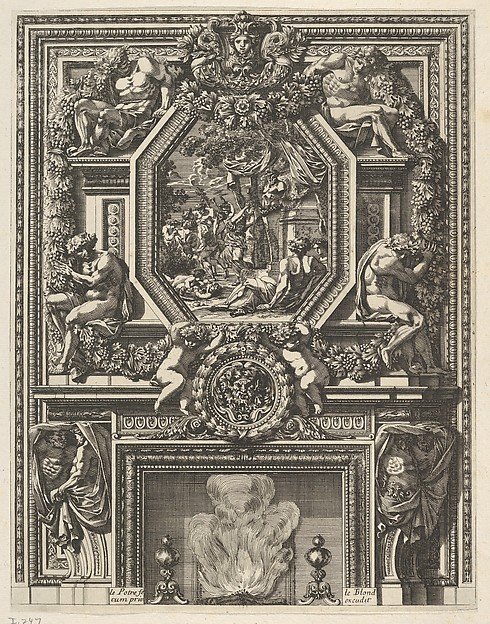
Chimney with a Bacchanal over the Mantle from 'Grandes Cheminée'
Jean Le Pautre, Jean I Leblond
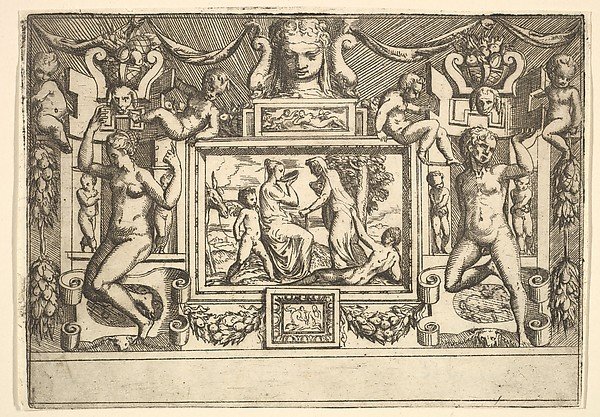
Young woman drinking from a bowl, an old woman standing in front of her, set within an elaborate frame
Battista Angolo del Moro, Formerly attributed to Andrea Schiavone (Andrea Meldola), After Jacques Androuet Du Cerceau
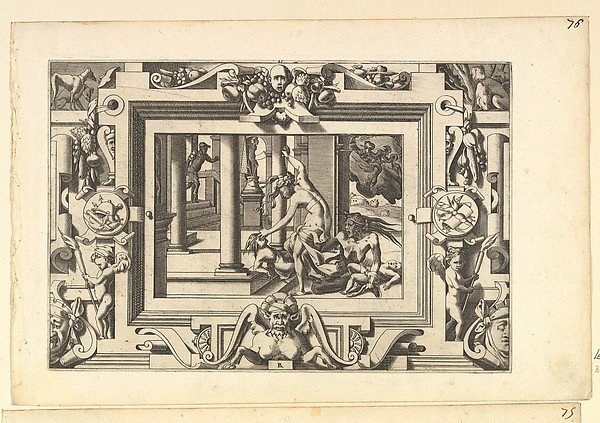
Medea Kills Her Two Children by Jason (Pour qui d'Absyrte a le sang repandu, fait que du sien le tort lui soit rendu...)
René Boyvin, After Leonard Thiry
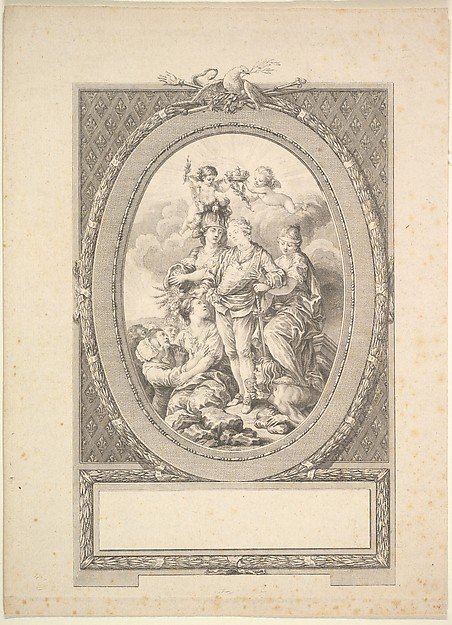
Reverse Copy of Allegory of Louis XVI on the Occasion of his Accession to the Throne of France in 1774
After Augustin de Saint-Aubin, After Joseph de Longueil, After a design by Charles Nicolas Cochin II, After a border design by Pierre Philippe Choffard
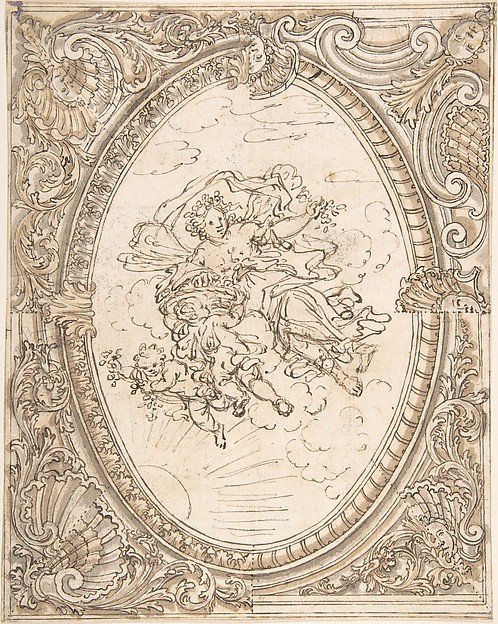
Design for a Ceiling with the Allegory of Dawn
Anonymous, Italian, 17th century, Anonymous, French, 17th century
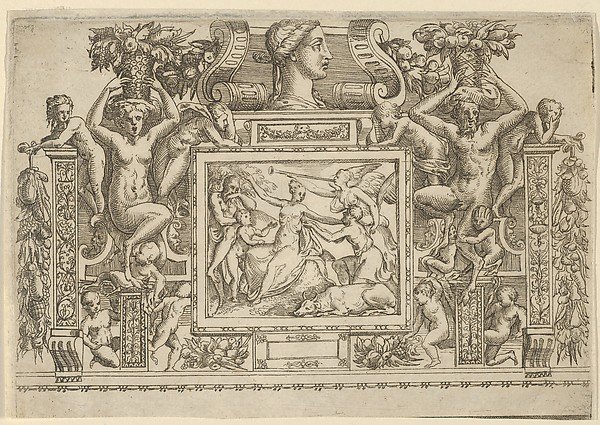
Woman seated with arms outstretched, personification of Fame with trumpet at right, set within an elaborate frame
Battista Angolo del Moro, Formerly attributed to Andrea Schiavone (Andrea Meldola), After Jacques Androuet Du Cerceau
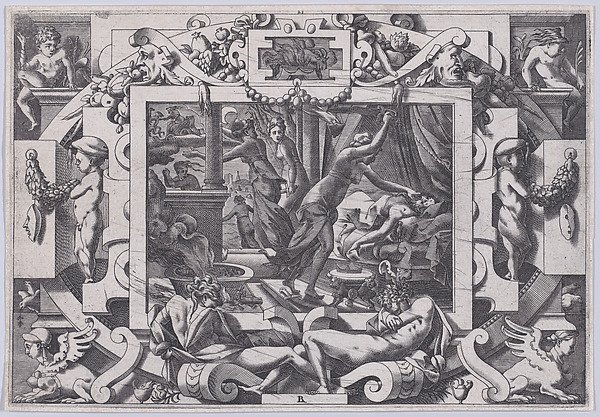
Pelias Killed by his Daughters (Dont par pitié elles prennent courage son sang vider par violent outrage...), from "Jason and the Golden Fleece"
René Boyvin, After Leonard Thiry