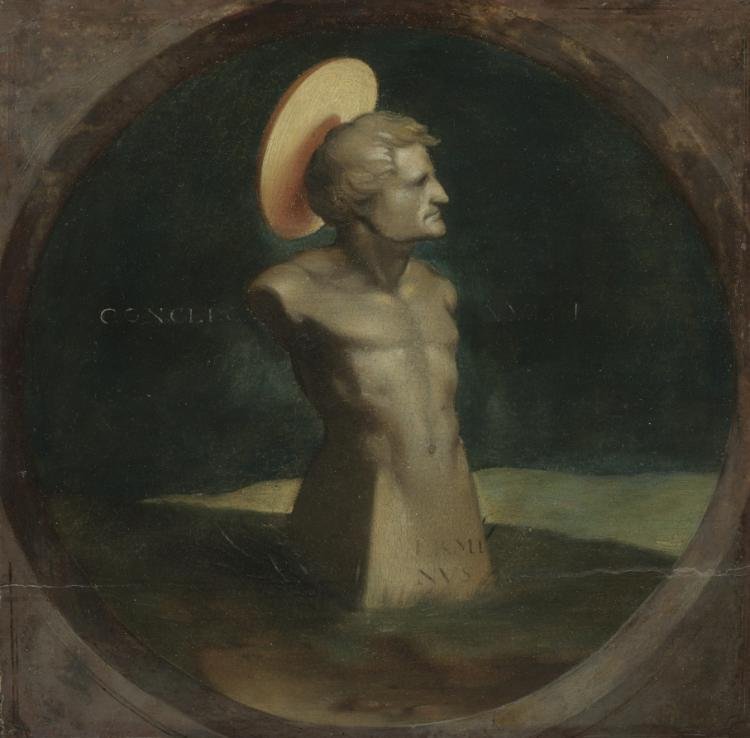
Terminus, the Device of Erasmus
Hans Holbein the Younger
1971.166
About this artwork
"Terminus, the Device of Erasmus," created around 1532 by Hans Holbein the Younger, is an oil painting on wood that measures 32.4 x 32.4 x 4.5 cm (framed). The artwork depicts a classical bust, resembling the Roman god Terminus, who symbolizes boundaries. The figure is presented in a circular format, with a dark background that highlights its contours. A glowing halo crowns the figure's head, adding a sense of reverence. The inscription “CONCEDO NVLLI” (I concede to no one) is prominently displayed, reflecting Erasmus's embrace of ancient moral and ethical messages. Holbein combines Erasmus's likeness with Terminus, underscoring themes of steadfastness and personal devotion associated with the scholar.
AI-generated description based on artwork image and available museum metadata
Similar artworks
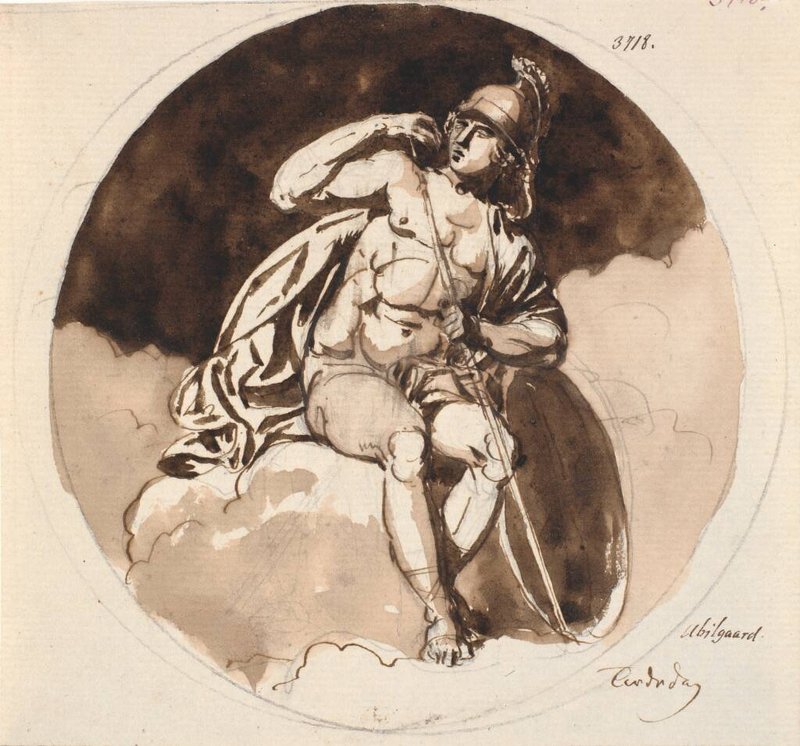
Tirsdag. Mars prøver skarpheden af sin lansespids
Nicolai Abildgaard
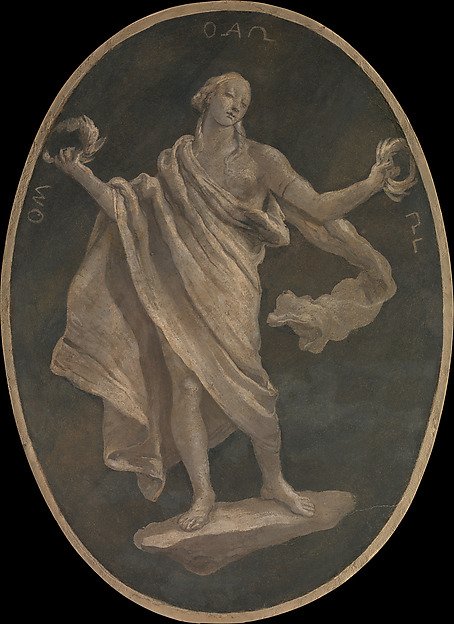
Allegorical Figure Representing a Virtue, Possibly Patriotism
Workshop of Giovanni Battista Tiepolo
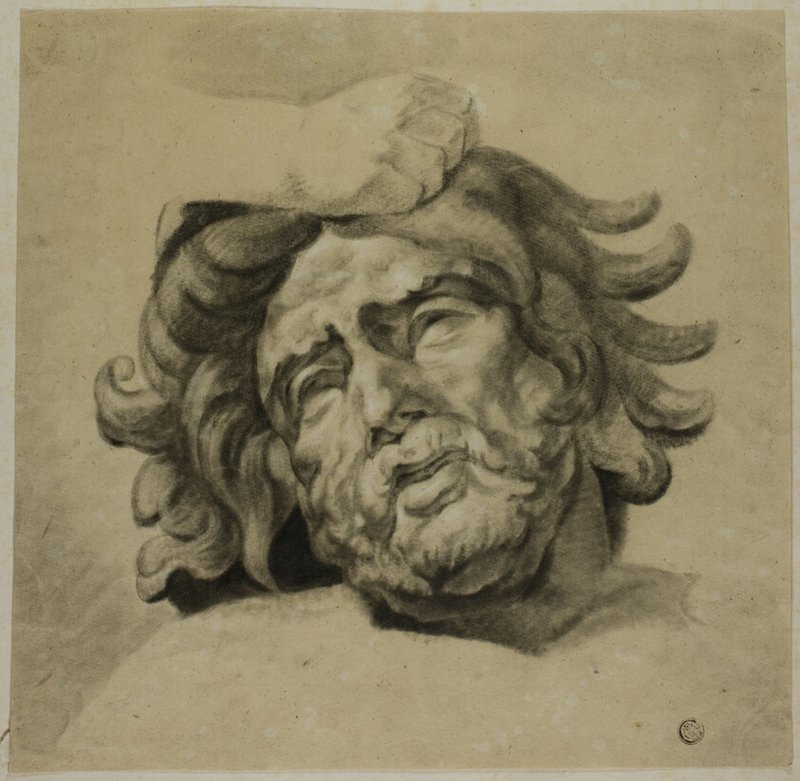
Hand of Centaur Grasping Head of Lapith (after One of Metopes from Parthenon, British Museum)
Unknown artist
Head of Saint John the Baptist
Spain or Northern Italy, mid 16th - mid 17th century
Studiehoved af en ung mand, som ser opad. Skt. Sebastian
Anthony van Dyck
Ixion, from The Four Disgracers
Hendrick Goltzius
Leda og svanen
Kai Nielsen
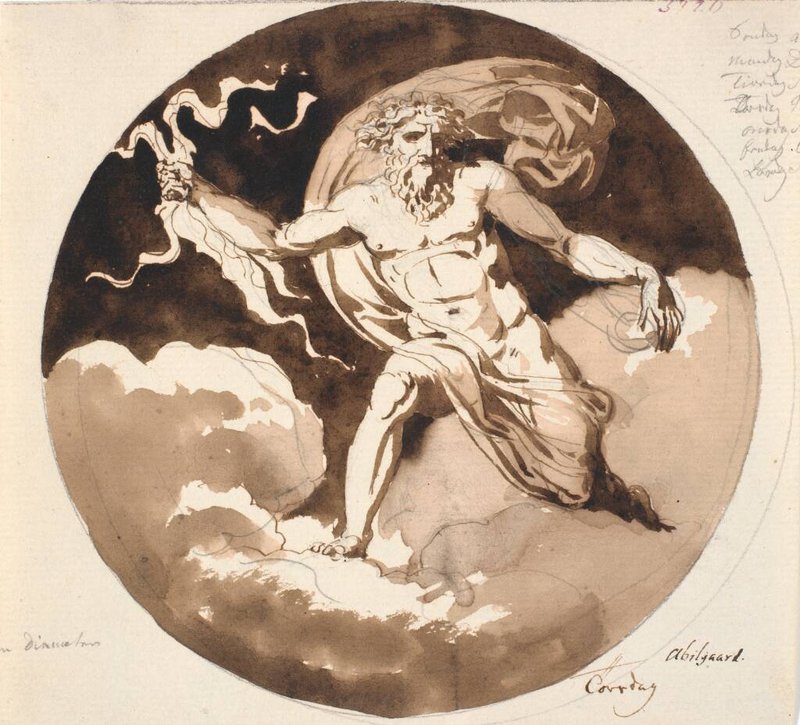
Torsdag. Jupiter med lynet i højre hånd
Nicolai Abildgaard
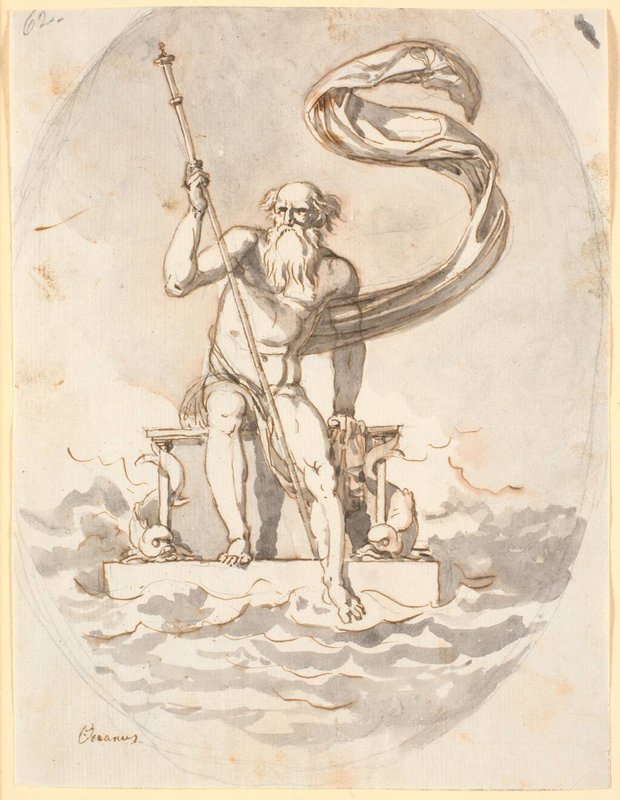
Oceanus på sin trone i havet
Nicolai Abildgaard
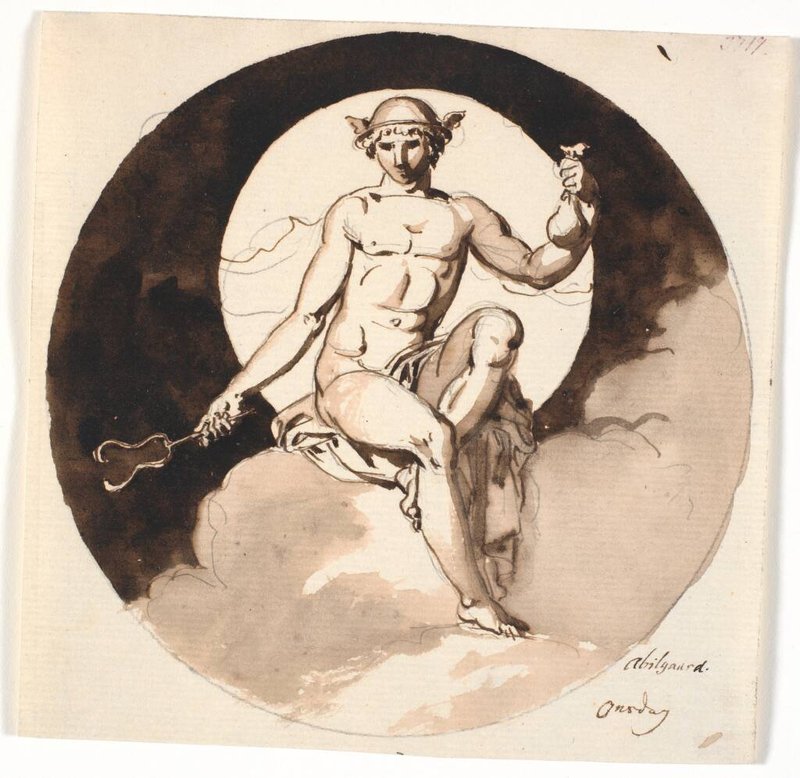
Onsdag. Merkur sidder med stav og pengepose
Nicolai Abildgaard
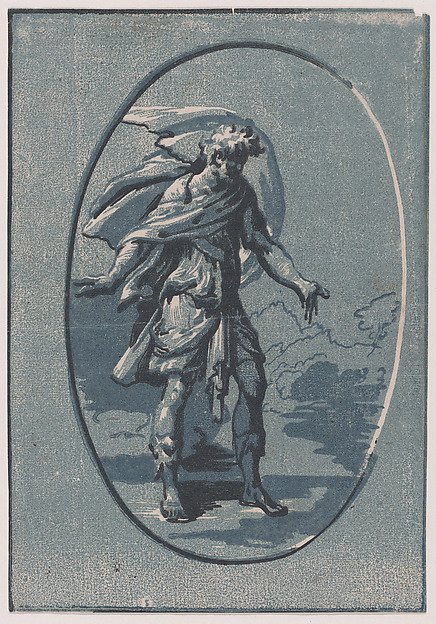
Olympus (Surprise)
Niccolò Vicentino, After Parmigianino (Girolamo Francesco Maria Mazzola)
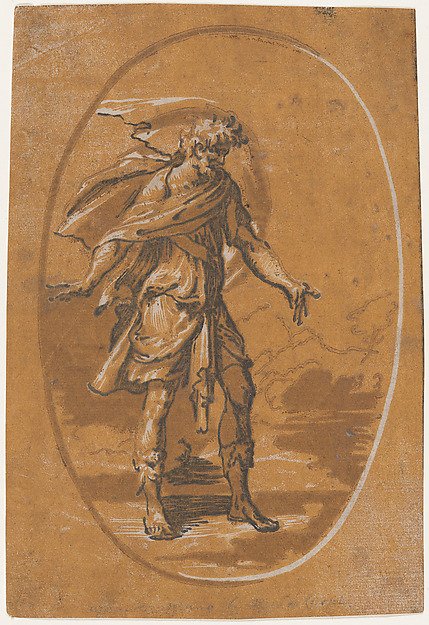
Olympus (Surprise)
Niccolò Vicentino, After Parmigianino (Girolamo Francesco Maria Mazzola)